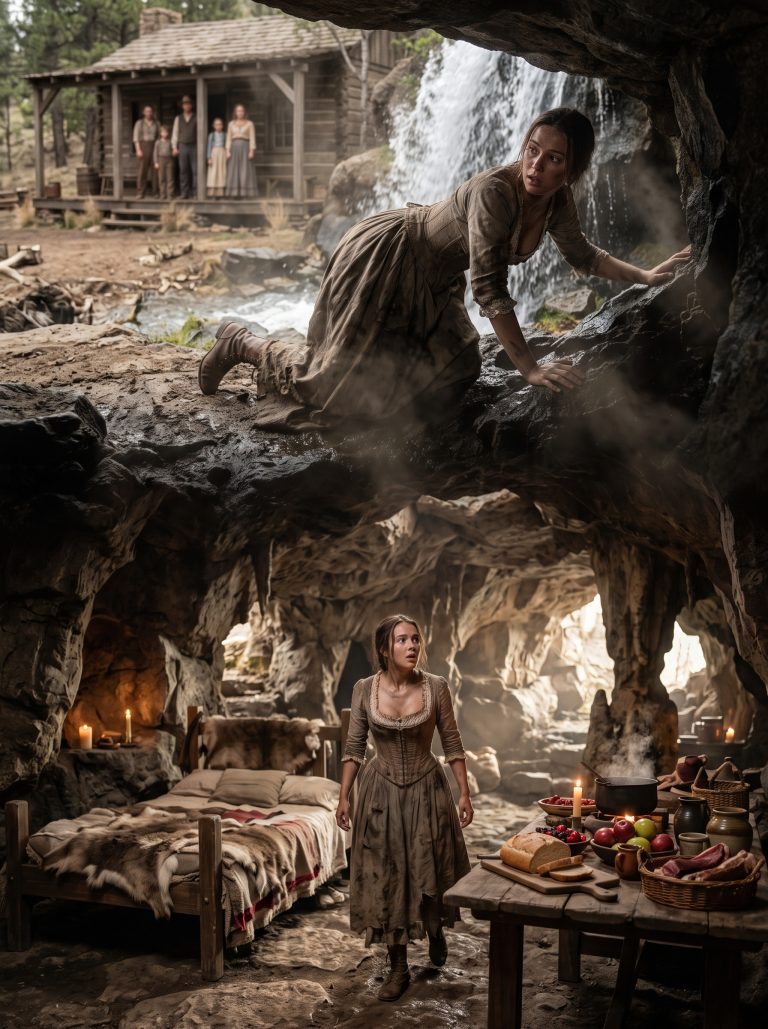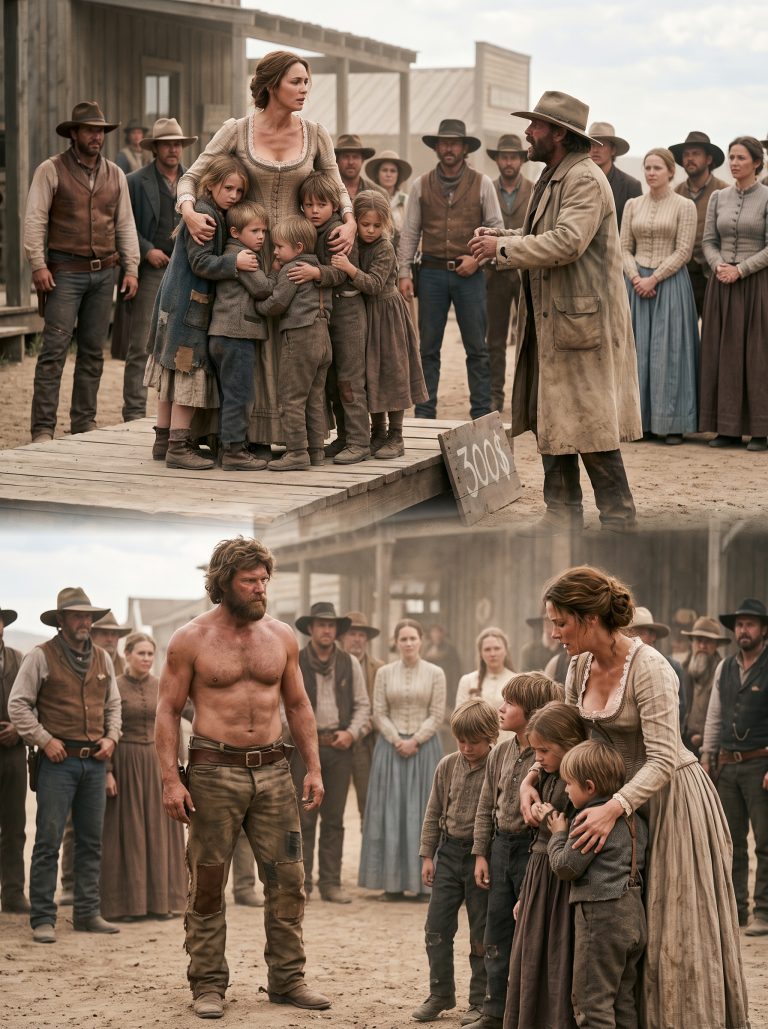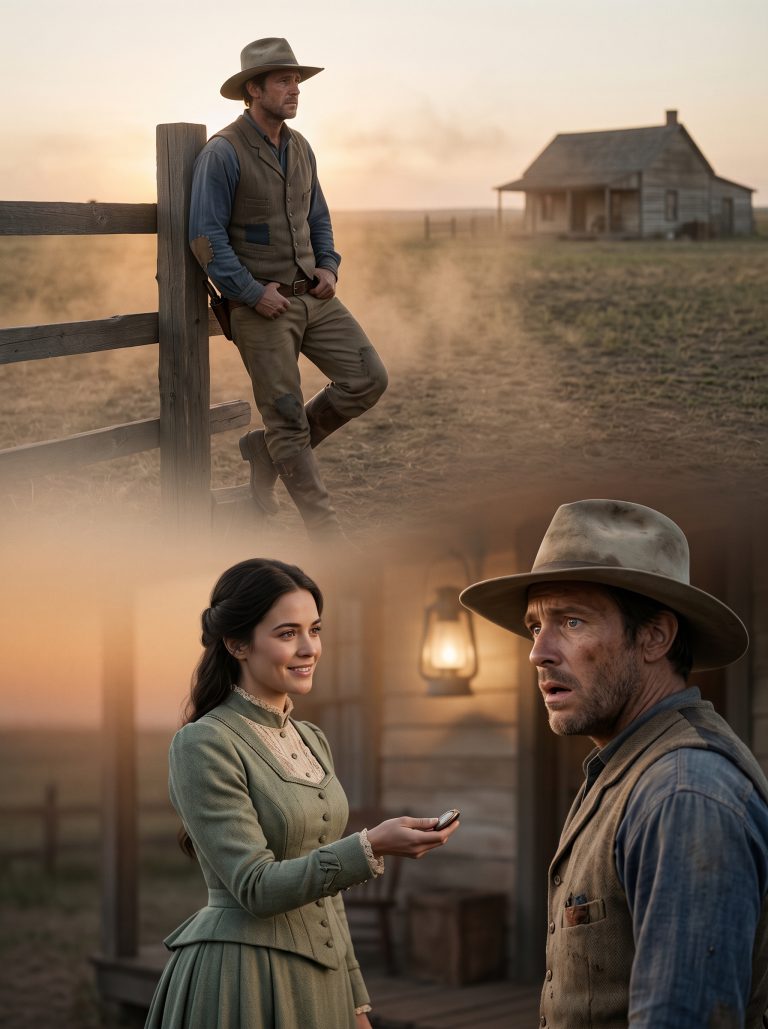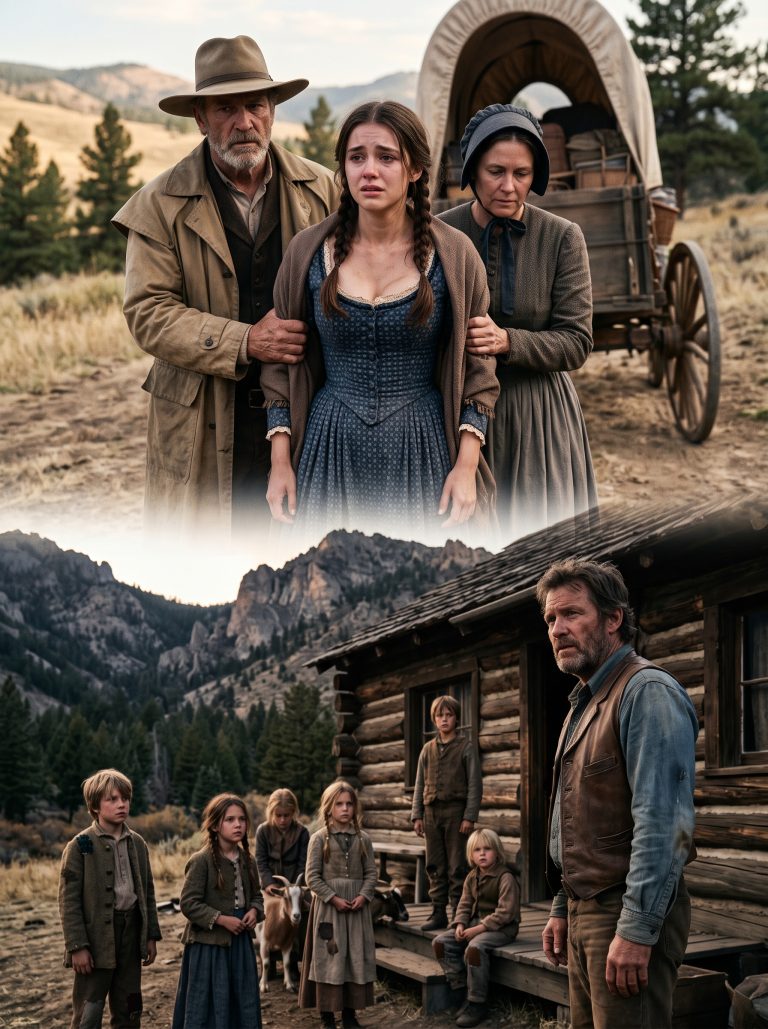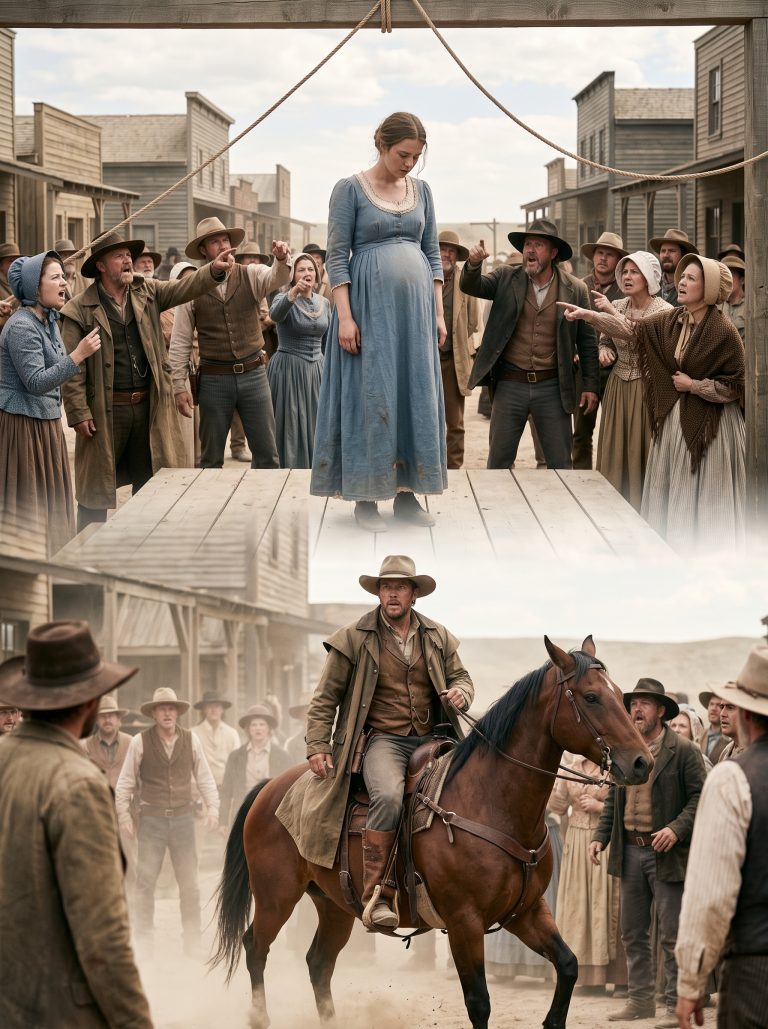
“At 19, She Was Forced to Marry an Apache — But His Wedding Gift Silenced the Whole Town”

Part 1
Clara Whitmore buried her father on a Tuesday in June, with the ground so dry the gravediggers had to break it apart with a pickaxe before it would take him.
By Friday, her aunt had already found her a way out.
“A girl alone can’t make a life out here,” Aunt Miriam said, fanning herself with a folded church bulletin, as if the matter were no more serious than the weather. “There’s a paper in town. The Matrimonial Gazette. Good men in the territory, looking for wives. They’ll pay your fare.”
Clara didn’t answer. She was looking at the shape her father used to fill in the doorway, the space where his voice used to be when he read the evening psalm. Now there was only dust, and her aunt’s fan, and the debts of men who had grown harder than the drought itself.
She wrote one letter. To a name that sounded steady. Safe.
Honest man of thirty seeks God-fearing bride to share ranching life in Arizona territory. Faith and fortitude required. Write to Samuel Crowe, San Miguel.
A fortnight later, train tickets arrived, along with a ring and a photograph — a fair-haired man in a wide hat, a mustache, the ghost of a smile. She told herself she wasn’t afraid on the platform, with her father’s Bible tied in ribbon at her feet. She told herself the same thing on the sixth day, when the land outside the window turned to flame and stone — mesas rising like temples, the air humming with a heat she’d never known existed.
She stepped down in her pale blue dress, holding the photograph like a compass.
No man in a hat came for her.
Instead the sheriff crossed the platform, turning his own hat over in his hands like he wasn’t sure how to hold it. “Miss Whitmore? There’s a man waiting outside town for you. Calls himself Samuel Crowe.”
“My fiancé,” she said, and the word caught strangely in her throat.
The sheriff’s eyes wouldn’t quite meet hers. “He ain’t what most around here would call a settler. But he’s a decent man, by all I know.”
A wagon waited past the station, drawn by two lean mustangs, driven by a boy who said not one word the whole ride. The town fell away behind them; the desert opened in front. By the time the sun went down red over the canyon rim, smoke was rising from a cluster of dwellings in the valley below.
“Where are we going?” she finally asked.
“To the man your people call Samuel Crowe.”
At the fire, a man stepped forward — tall, broad-shouldered, a scar cutting down one cheek, his dark hair bound with copper beads, his eyes the grey of a storm that hadn’t yet decided whether to break.
“You are Clara Whitmore,” he said. Not a question.
“I came to marry Samuel Crowe.”
“That is the name I am known by in your towns.”
The ground seemed to tilt beneath her. She held up the photograph, her hand not quite steady. “This isn’t your face.”
He didn’t look away from it. “The letters were carried by a friend of mine, a man who moves between our world and yours. I did not know a photograph had been sent until the sheriff told me this morning.” He had not sent it, but he didn’t hide behind that either. “It should never have happened. I won’t pretend otherwise.”
“You still let me be brought here believing a lie.”
“What I owe you now is the truth, plainly. My people need this marriage to hold a peace that’s thinner than it should be. I won’t ask you to swear yourself to anything tonight, though. There is a lodge set aside for you. Take seven days. Watch how we live. If, at the end of it, you wish to leave, I will see you safely back to San Miguel and onto a train myself.”
She waited for the trick in it and found none she could name.
“And if I stay?”
“Then what comes after is yours to choose. Not mine. Not the treaty’s.”
He held out a small wooden box, a silver lock set into the lid, no key anywhere in sight.
“A token,” he said, “so that even if you choose to stay, you’ll remember that staying once doesn’t take away your right to choose again. You’ll have the key when the time is right.”
She took it without understanding it, and sat with it long after he’d gone — and had no way of knowing yet that this single box, still unopened, would very nearly cost her everything before it gave her the one truth that would finally set her free.