The Loner Rancher Waited for His Mail Order Bride — And a Woman Twice His Size Stepped Off the Wagon

Part 1
Emmett Sloan had spent three months imagining a woman who did not exist.
Small hands. A soft voice. Someone who would fit under his arm the way his mother used to fit under his father’s, back when the ranch still smelled like her bread instead of dust and loneliness. That was the woman he had built out of paper and hope, folded into an advertisement and mailed off to the territorial newspaper like a prayer he didn’t expect anyone to answer.
Someone answered.
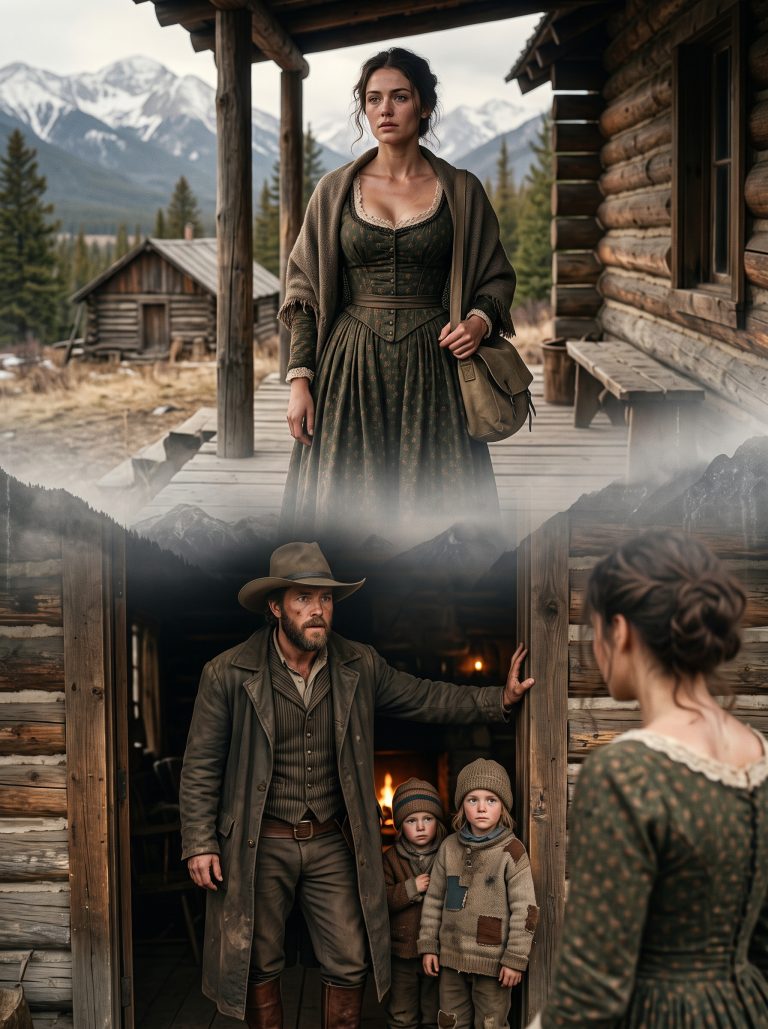
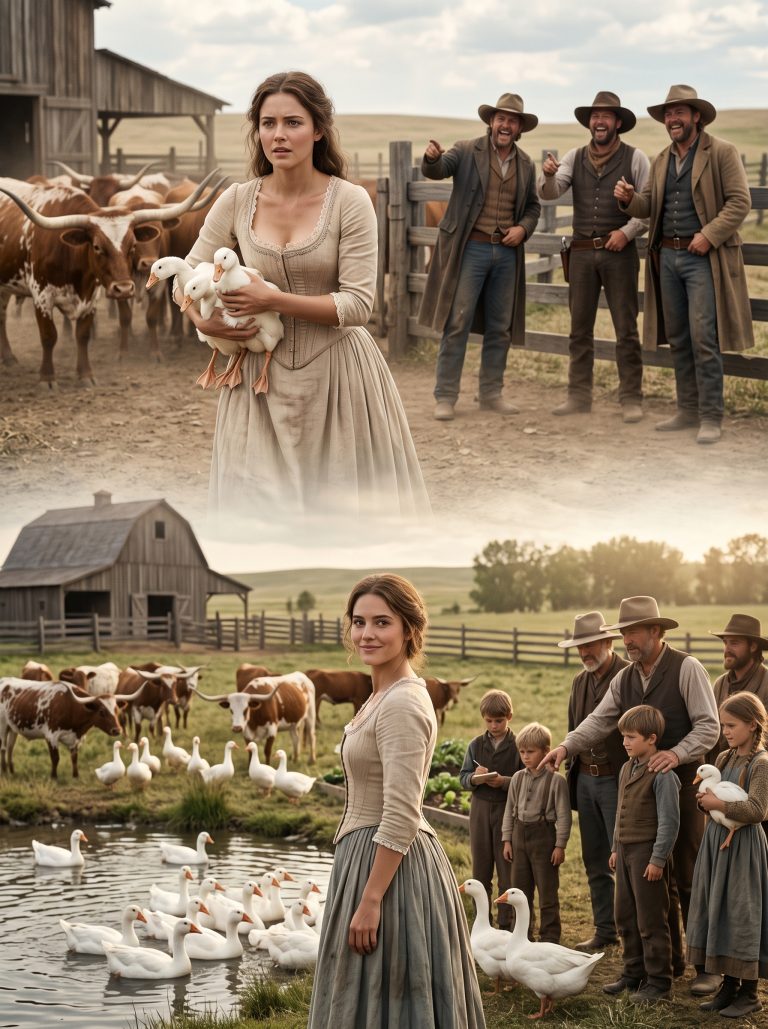
Her name was Willa Blaine, and when the wagon pulled into his yard that afternoon, Emmett watched a woman climb down who towered over nearly every man gathered in the yard. Shoulders like a working man’s. Hands that looked built for a plow, not a teacup. He felt the small wooden box in his vest pocket turn from a promise into a cruel joke.
Neighbors had gathered without being asked — the way they always did when something worth gossiping about was about to happen. Mrs. Henderson leaned toward her husband, already whispering. A boy pointed before his mother yanked his arm down. Emmett’s face burned hotter than the afternoon sun could account for.
Willa noticed. Of course she noticed. But she didn’t flinch, didn’t apologize for the space she took up in the world. She only said, quiet and even, “You must be Emmett,” and put out a hand that swallowed his whole.
Neither of them said what they were thinking. That the letters had lied — or rather, that the letters had simply never mentioned the truth. That three months of careful, hopeful handwriting had left out the two facts that mattered most: that he was smaller than the men in town measured a man to be, and that she was larger than the world had ever let her be comfortable with.
That night, Emmett lay awake listening to a stranger breathe in the next room, wondering what kind of fool sends for a wife and gets a woman who looks like she could break him in half — and wondering, with a shame he couldn’t name, why some small and stubborn part of him wasn’t sorry.
He didn’t have long to sit with the question.
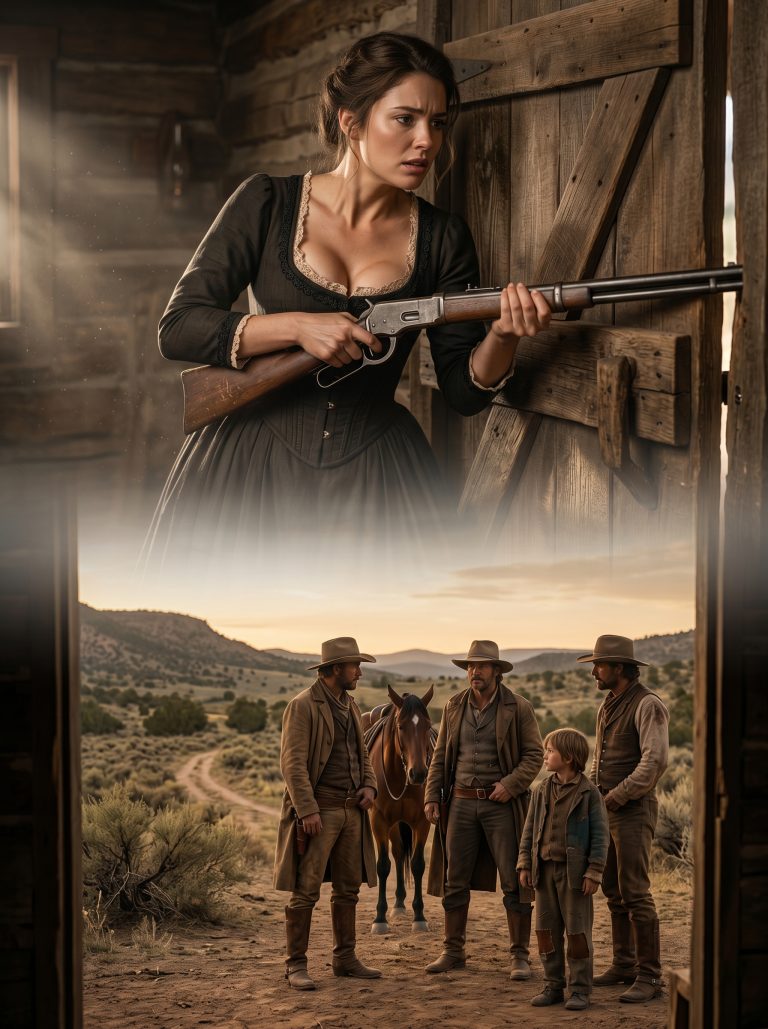
By morning, his prize bull — two thousand pounds of pure temper named Dakota — had broken clean through the north fence and was standing knee-deep in Mrs. Henderson’s rose garden, destroying three years of careful work in real time. Two grown men had already tried to rope him and gone scrambling over the fence rail for their trouble. Mrs. Henderson’s voice carried clear across the valley, and every word of it had Emmett’s name in it.
Emmett stood on his porch, hands wringing themselves raw, watching his whole reputation get trampled along with the roses. Without thinking it through, without weighing what it might look like, he turned back toward the house and called Willa’s name.
She was already coming through the door before he finished saying it — quiet as smoke, for a woman her size — and said the thing that changed everything.
“You can’t rope him from here.”
She wasn’t looking at the bull. She was looking at the men circling him wrong, the way you’d look at a puzzle somebody else had gotten backward. And then, before Emmett could find the words to stop her, she was already walking. Long strides, empty hands, straight toward two thousand pounds of pure fury.
He called her name. She didn’t turn around.
The whole town would talk about what happened next for years. But Emmett didn’t know that yet. All he knew, standing frozen at the edge of Mrs. Henderson’s ruined garden, was that the woman whose arrival had embarrassed him that morning was walking calmly toward the one thing in the county that could kill her — and something in the way she moved told him she had absolutely no intention of running.