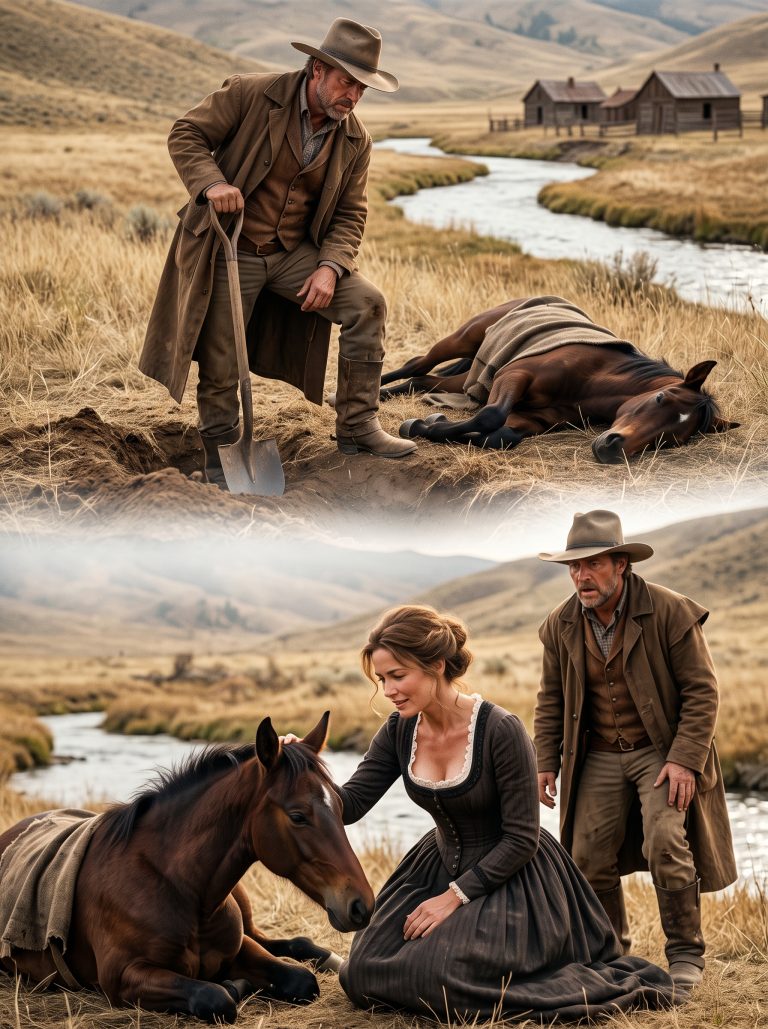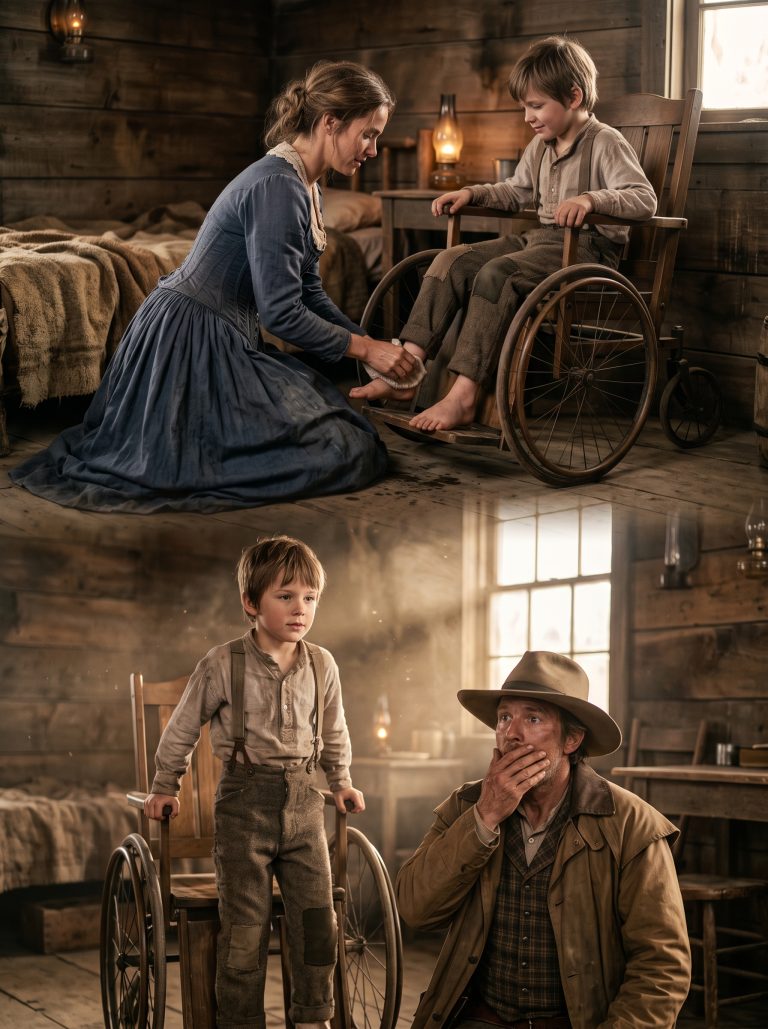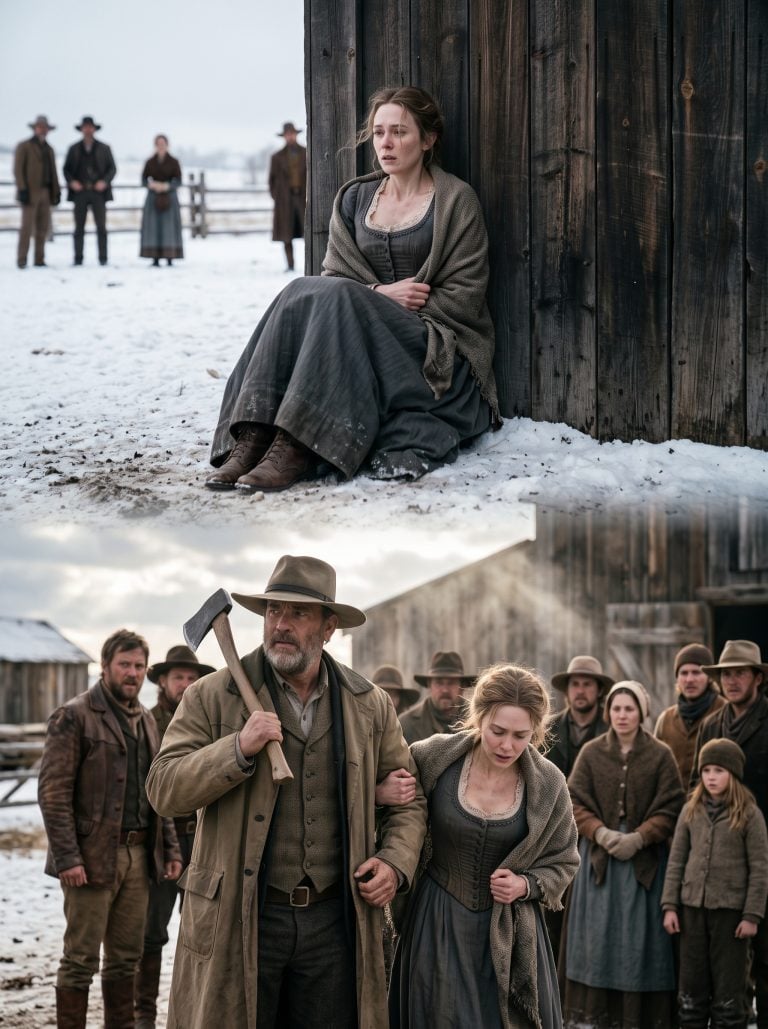
Rancher Forced His Son To Pick A Bride—He Chose The Orphan Stable Girl In Rags

Part 1
The first frost of autumn had not yet touched Ironwood Crossing, but Caleb Hartley could feel something colder settling over the ranch than any weather. He was riding the eastern fence line at dawn when he found them — three wooden survey stakes driven into the grazing land, each one topped with a strip of red flagging that snapped in the wind like a small, deliberate flag of war.
He’d heard the rumors in town for weeks. The Union Pacific was pushing a new spur line west, chasing coal and cattle money through country nobody had bothered to want before. He’d assumed, the way a man assumes weather will pass him by, that it would go through someone else’s land. Now, crouched beside a stake that hadn’t been there three days ago, he wasn’t so sure — and some small, stubborn part of him filed the thought away like a coin he wasn’t ready to spend.
He was still turning it over in his mind when he reached the house, and so he wasn’t fully braced for what waited in his father’s study.
“Sit down,” Augustus Hartley said, not looking up from the papers on his desk. His father was sixty-three, built like the fence posts he’d sunk into this ground with his own hands, and he had never once in Caleb’s twenty-nine years asked for anything he expected to be refused.
“The bank’s tightening its grip,” Augustus said. “Three dry summers running. The Ironwood carries more debt than I like to admit, and the men holding that paper aren’t sentimental.” He set down a single sheet. “I’ve invited five families to the ranch. Each has a daughter. Each brings something we need — capital, rail connections, water rights, political favor, and, in one case, simple hard cash. You’ll court them. You’ll choose one. You’ll be married before the snow flies.”
“And if I don’t?”
“Then you’ll ride out with your saddle and nothing else, and I’ll leave the Ironwood to whichever bank forecloses on it first.” Augustus’s gray eyes, so like his son’s, didn’t waver. “This isn’t cruelty, Caleb. It’s arithmetic.”
Caleb left the study with the list crumpled in his fist and did what he always did when the weight of his birthright grew too heavy — he went to find Jo.
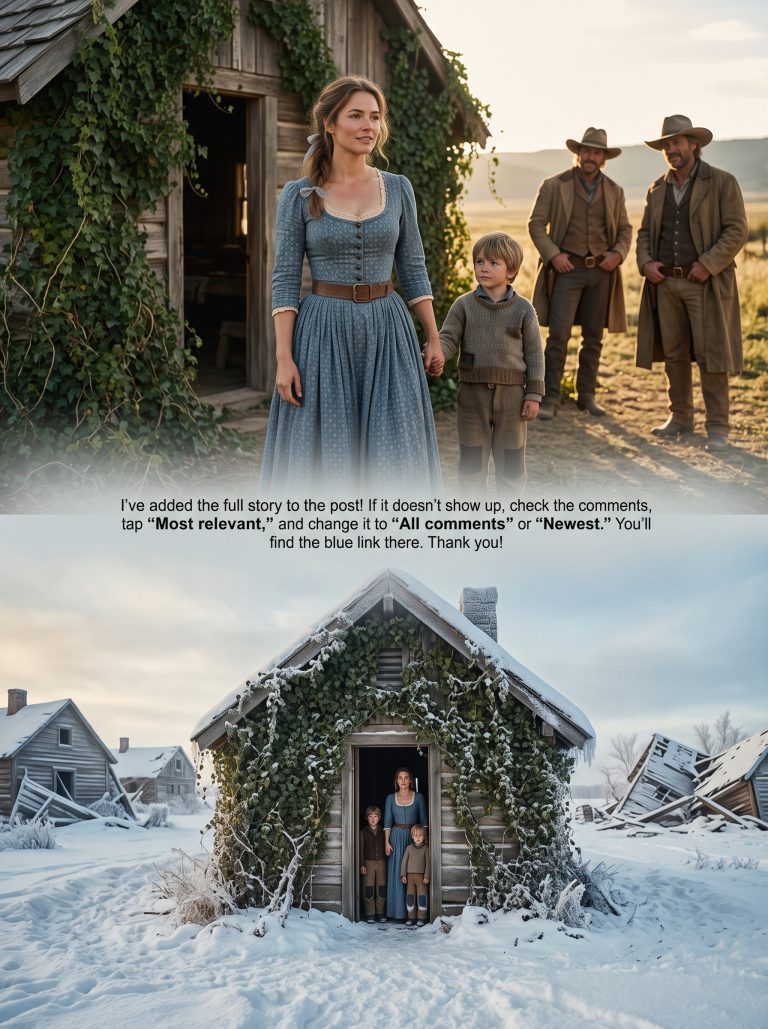
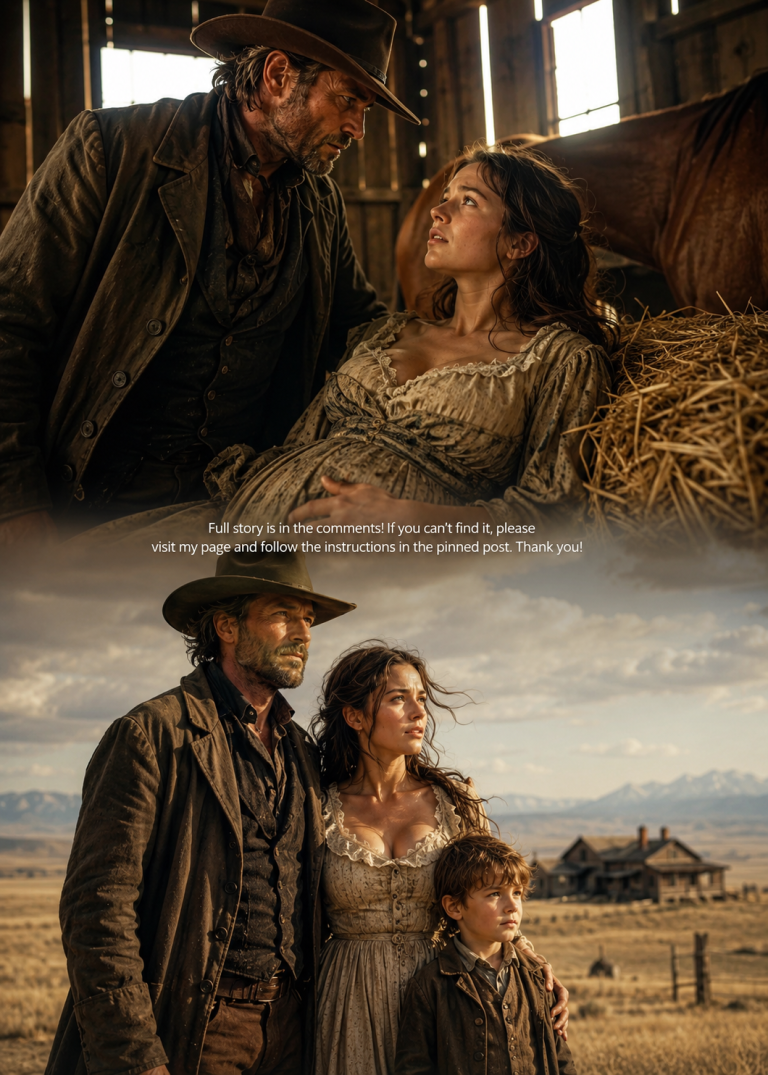
Josephine Calloway had come to Ironwood Crossing nine years earlier, a fifteen-year-old orphan with a letter from a shuttered mission school and a gift for horses that no one, least of all Augustus Hartley, had expected. She’d earned her place stall by stall, animal by animal, until the finest breeding stock on the ranch answered to her voice before anyone else’s. Caleb found her in the north barn, working a temperamental colt with the patient, unhurried hands that had first caught his attention when he was twenty and she was sixteen and neither of them had known what to call the thing growing between them.
“You’ve got that look,” she said without turning. “The one that means your father’s finally done it.”
“Five families. A week to choose.”
Her hands didn’t still, but something in her shoulders did. “Then you should go meet them.”
“Jo—”
“Don’t.” She faced him now, and the composure she wore like armor around the ranch hands cracked just enough to show him what was underneath. “I’ve spent nine years being grateful for a roof and honest work, Caleb. I won’t spend the tenth being the reason you lose everything your grandfather built.”
“What if I don’t want to save it that way?”
“Then you’re a fool,” she said softly, “and I love a fool.” It was the closest either of them had ever come to saying it plainly, and they both let the silence afterward mean everything it needed to mean.
The carriages began arriving the next afternoon. Adelaide Whitmore came first, golden-haired and polished, her father’s railroad already a fact of life in the territory — which made Caleb wonder, not for the first time that day, whether the stakes on the eastern fence line belonged to the very family his father hoped he’d marry into. Then came Eleanor Calder, whose father owned the Territorial Bank; she stepped down from her carriage with a smile that looked rehearsed and eyes that kept flicking toward her father as though checking she’d performed it correctly. Margot Sinclair arrived with a senator uncle already promised as a wedding gift. Celeste Farraday brought talk of San Francisco silk and mercantile fortunes. And last came Ruth Dunmore, who controlled the water rights along Silver Creek, dismounting her own horse before the driver could reach the door, and looking at the assembled Hartleys with the flat, assessing patience of someone counting down days on a sentence.
“I don’t want a husband,” Ruth told Caleb bluntly on their first ride together, letting her horse fall into an easy walk beside his. “I want to run my family’s spread without some man’s name stamped over mine. My father sent me here because it was easier than arguing with him.”
“Then why come at all?”
“Because sometimes the only way to win a war is to lose one battle gracefully and wait.” She glanced sideways at him. “You’re not even trying to hide it, you know. The way you look toward the stables.”
Caleb said nothing, but he didn’t deny it either. That night, standing at his window, he watched Jo’s lamp burn late in the barn and thought about red flags snapping in the wind on the eastern fence line, and understood — with the same certainty that had told him a storm was coming — that a week was nowhere near enough time to choose between the life he’d been born into and the one he actually wanted.